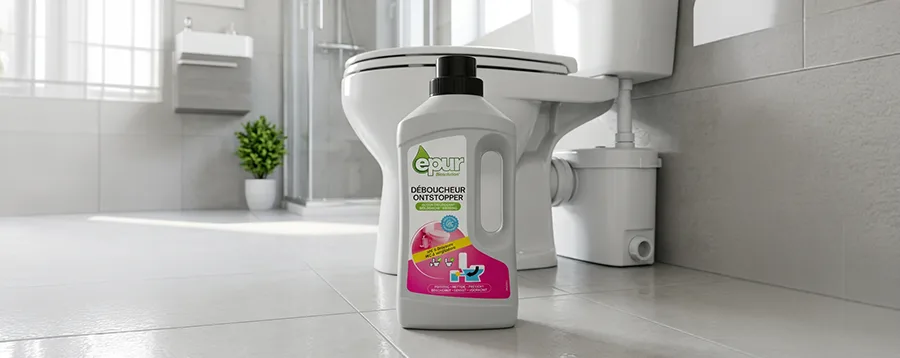
Blocked toilet or macerator: paper is almost always the culprit
In a toilet bowl as in a sanitary macerator, it is almost never an object causing the blockage: it is paper building up. And that changes how you deal with it.
A toilet that empties slowly, a macerator that strains and takes longer to stop: in both cases, the culprit is the same. Toilet paper breaks up in water, but it does not disappear. It settles, builds up in the bends and ends up forming a blockage.
That is why a plunger rarely solves the problem for good: it pierces the blockage without removing what formed it. As for corrosive unblockers, they attack the paper, but also the seals, the macerator and the bacteria in the septic tank.
What you need
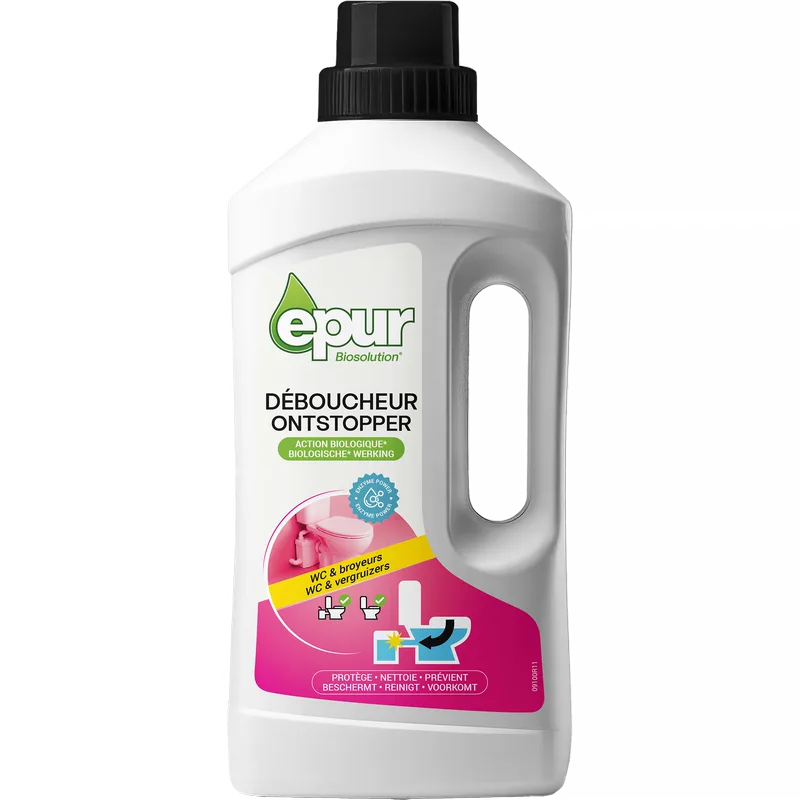
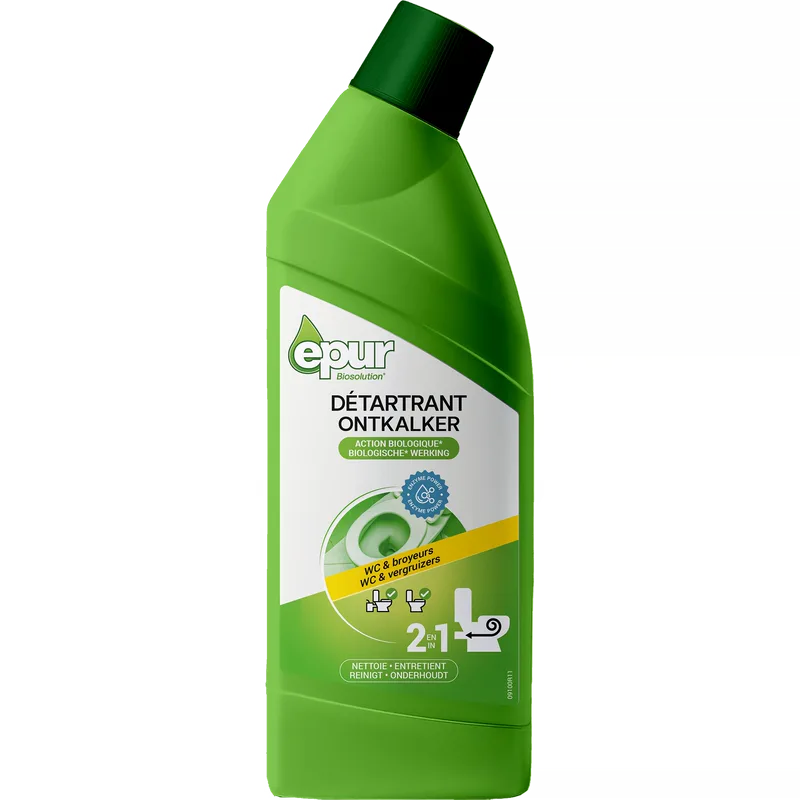
- A Toilet & macerator unblocker, concentrated in cellulase enzymes
- Warm water, half a litre
- One night, that's all
The method
To unblock. Mix 500 ml of product with 500 ml of warm water, then pour into the bowl.
To prevent. For maintenance, 200 ml of product is enough, still in 500 ml of warm water.
Leave to act for 8 hours, ideally overnight: with no flushing, the enzymes stay in contact with the blockage.
The next morning, flush the toilet.
Why enzymes rather than an acid
Cellulases are enzymes that specialise in breaking down cellulose, in other words paper. They break down what forms the blockage, and nothing else. The product is compatible with sanitary macerators and septic tanks, which is not the case for a corrosive unblocker.
What will never go away on its own
- Wipes, including those sold as biodegradable.
- Cotton wool, cotton buds and sanitary products.
- Hair, which is a drain problem rather than a toilet bowl problem.
If nothing has moved the next day
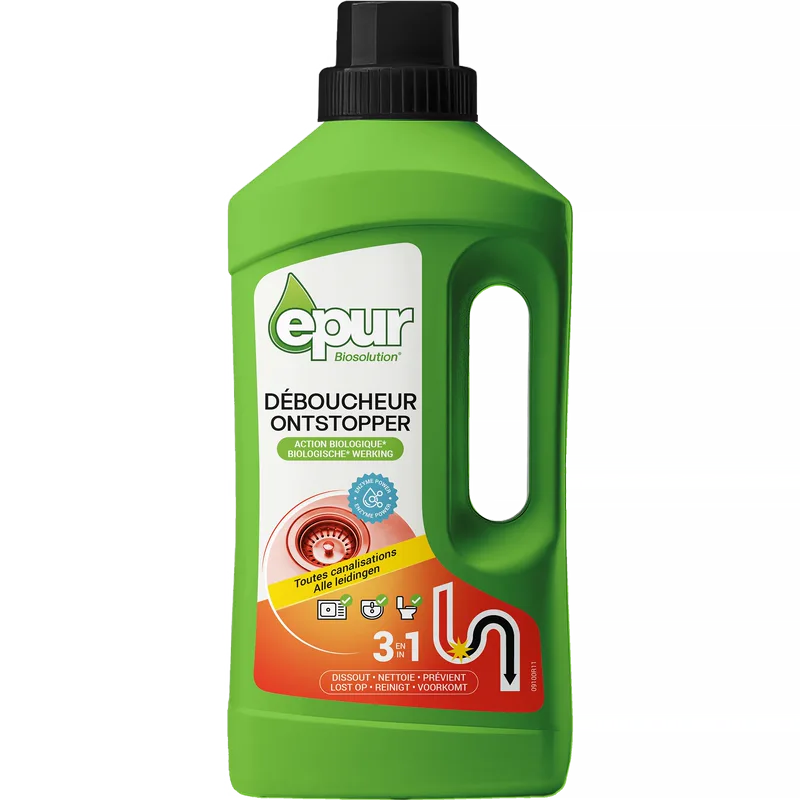
A blockage that survives a night of treatment is probably not made of paper. An object dropped into the bowl, or an obstruction further down the waste pipe, calls for a different approach: the Drain unblocker works on drains, not on the bowl itself.
Like any household product, keep it out of reach of children.
The doses for our products are on their packaging, and that is what counts. If swallowed or splashed, call the Poison Centre on +32 70 245 245 and keep the packaging to hand.