Bad sewer odours: why they occur and how to eliminate them permanently
Unpleasant odors in the pipes can quickly make your home an unpleasant place to live. Kitchen, bathroom or WC: each area has its own causes… and solutions!
Before using a plunger or chemicals, it’s best to identify the source of the problem. A sink, a shower or a septic tank are not treated in the same way.
🔍 In this article, discover the main causes of unpleasant odors and the simple, lasting solutions to get rid of them.
Diagnosing unpleasant odours in pipes: Simple, Clear & Effective
Better understanding for better action
To eliminate unpleasant odours over the long term, you need to know the exact cause. Each symptom reveals a specific malfunction… and therefore calls for a different solution.
Make your diagnosis in 1 click
Select the symptom that corresponds to your situation.
Instantly visualize possible causes and the appropriate EPUR solutions.
A simple, clear and effective tool
Fast, intuitive operation
Educational information without overload
Long-lasting, uncompromising results
Tailor-made EPUR solutions for every problem
Thanks to this diagnosis, you’ll know why your pipes smell. 👉 And, above all, how to remedy the problem naturally, without using harsh chemicals. A healthy home starts with clean pipes, and EPUR can help.
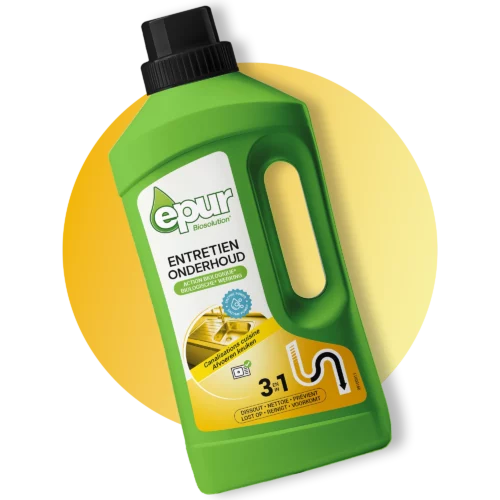
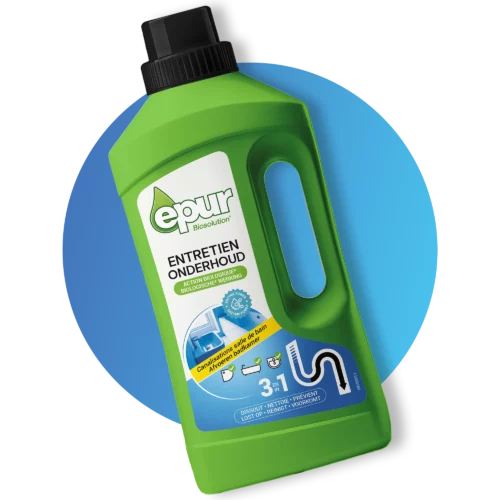
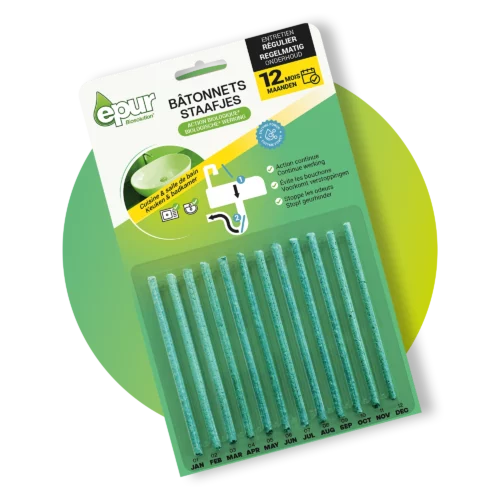
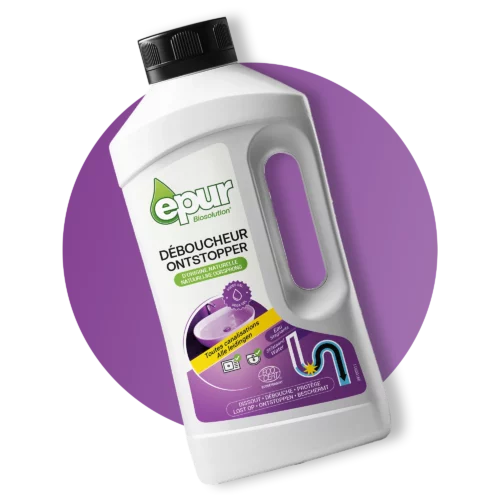
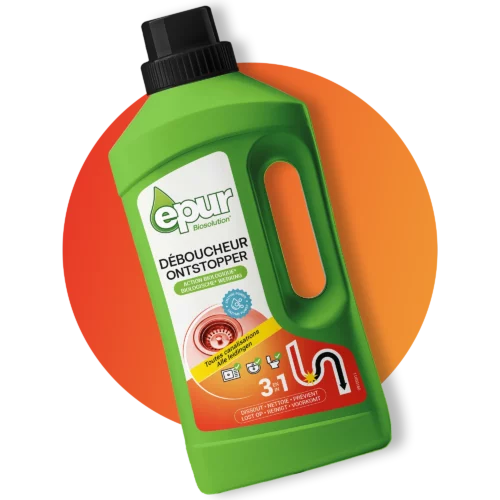
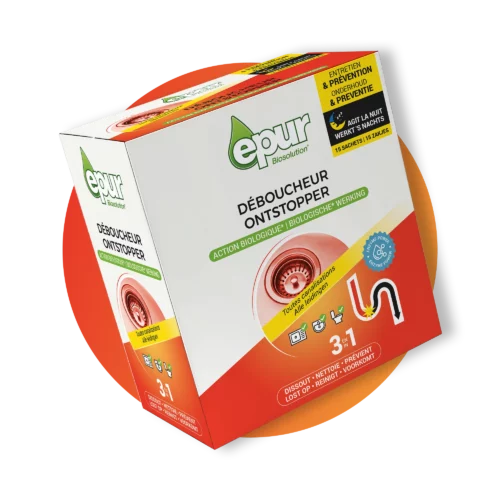
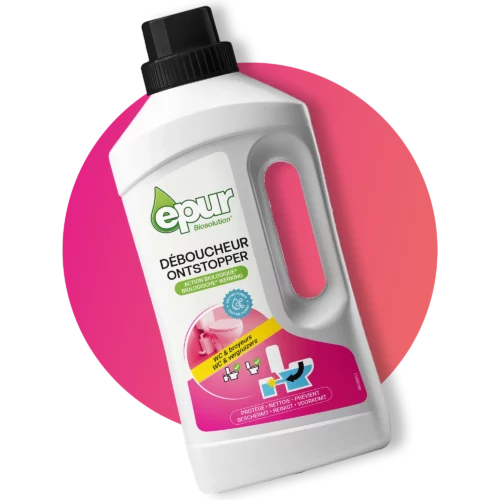
With EPUR, you act in the right place at the right time to eliminate unpleasant odors from your pipes. Whether the problem comes from the kitchen, bathroom, toilet or even the septic tank, each EPUR solution is designed to meet your exact needs. Thanks to their 100% natural formulas, EPUR products clean, degrease, sanitize and maintain your pipes while respecting the environment. The result: a healthier home that lasts. Gentle efficiency is our specialty.
Frequently asked questions about sewer odors
Why do my pipes smell?
Odors come from organic deposits (grease, hair, soap), bacteria, blocked gases or an emptied siphon.
Why does my siphon smell like rotten eggs?
The residues stagnate and ferment, producing hydrogen sulfide, which gives the typical eggy smell.
Sewer odor in the bathroom: what should you do first?
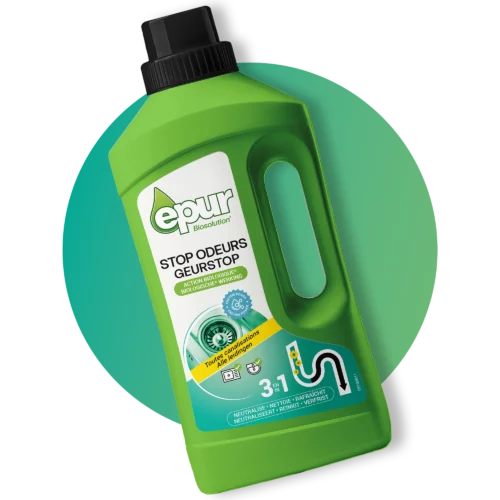
Clean the siphon and eliminate bacteria with a suitable anti-odour treatment(Stop Odours).
Why does a smell come back even after unclogging?
Because the cork is not the cause, but a consequence: the biofilm and bacteria continue to ferment.
Why does my sink smell bad after washing dishes?
Warm water + grease = a perfect breeding ground for bacteria in the siphon and the beginning of the pipe.
Are unpleasant toilet odours a sign of trouble?
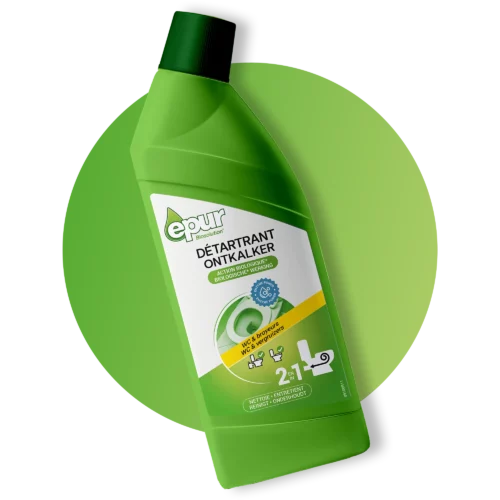
Yes, most often linked to limescale, which narrows the duct and encourages water stagnation and gas build-up.
Septic tank odour in the house: serious?
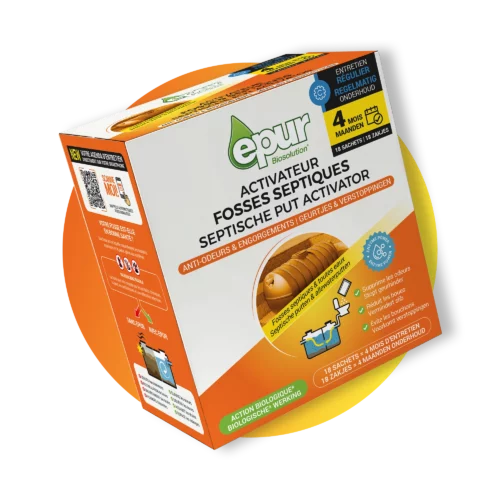
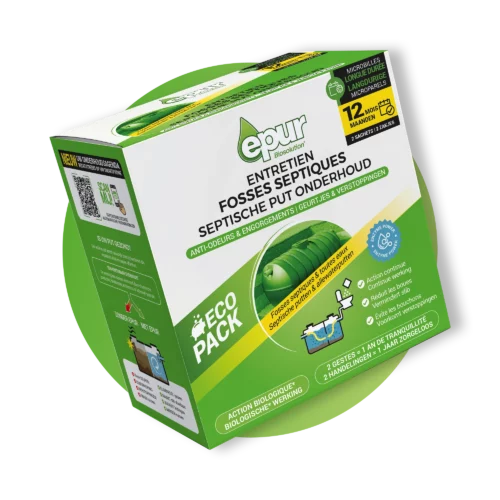
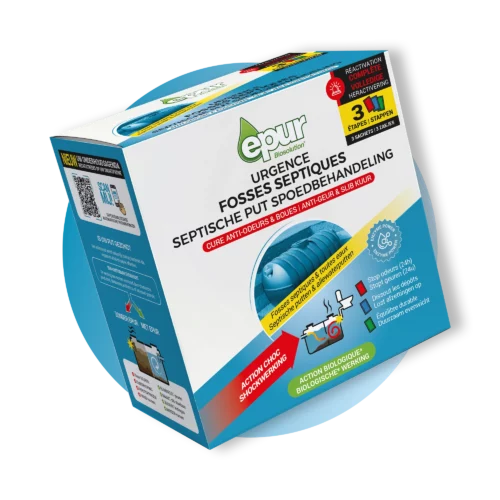
Yes, this indicates a biological imbalance in the pit: prompt intervention prevents overflow.
Why do odors appear mostly in summer?
Heat accelerates bacterial fermentation and the creation of foul-smelling gases.
Is vinegar enough to eliminate odours?
No. It temporarily deodorizes, but does not eliminate the bacteria or residues responsible.
How to prevent odors from returning?
Regular pipe maintenance (using suitable products, hot water and grease control) is essential.
Can poor maintenance damage pipes?
Yes, clogs can create excessive pressure and weaken pipes.
Are organic products effective against odours?
Yes, enzymatic/biological treatments naturally sanitize pipes and septic tanks.