Clean & natural


Looking for a single product that can whiten yellowed laundry, stain red wine shirts AND remove mold from shower grout? Look no further. Sodium percarbonate is the secret weapon of green cleaning pros. And it's all natural.
Your EPUR Ingredients
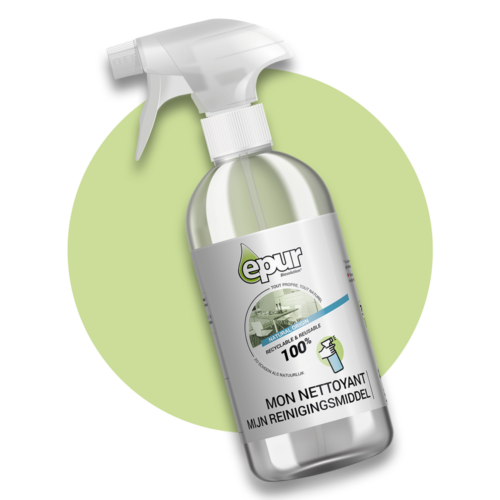
In the recipe :
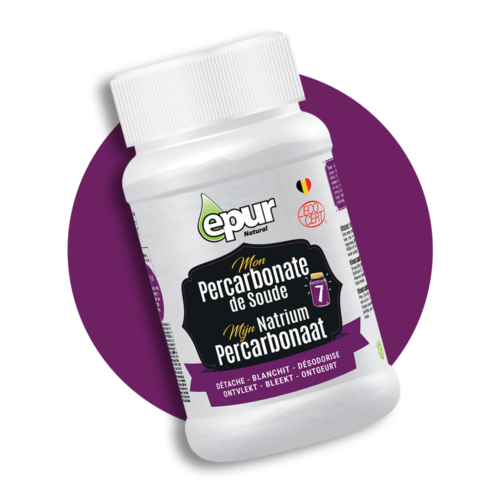
Recipe 1: "Brilliant whites" laundry booster
Is your white laundry turning gray? Do your tea towels smell musty even after washing? This trick changes everything, and requires just one extra ingredient.
1
Pour 2 tablespoons of Epur Sodium Percarbonate directly into the drum of your washing machine, before putting in your laundry.
2
Add your usual detergent to the detergent dispenser. Percarbonate is a complement, not a substitute.
3
Start a program at a minimum of 40°C. It's the heat that activates the oxygen released by the percarbonate - and it's this oxygen that attacks stains and residues.
4
Take out your laundry and admire: brilliant whites, neutralized odors, preserved fibers. No bleach, no chemical residues.
Recipe 2: Anti-mould shower seals 🚿
Seals turning black? It's the kind of chore you put off until next week... until it becomes a real nuisance. Here's how to fix it in just 15 minutes.
1
In a bowl, mix 1 tablespoon of Sodium Percarbonate with 3 tablespoons of warm water. Stir to form a thick paste.
2
Apply the paste directly to blackened joints using an old toothbrush or small brush.
3
Leave for 15 minutes. No need to scrub - the active oxygen does the work for you while you drink your coffee.
4
Rinse thoroughly with clean water. Mold and mildew have disappeared, and joints have regained their original whiteness.
Directions for use
Other clever uses
- Detaching cloth diapers and baby bibs
- Clean the inside of thermos flasks and carafes (1 tbsp + hot water, leave to soak for 30 min)
- Revive the whiteness of coffee and tea cups
- Disinfect wooden or plastic cutting boards
- Cleaning tile joints throughout the house
What you need to know
Percarbonate only becomes fully active above 40°C. Below that, its effectiveness is reduced. Keep it in a dry, well-closed place: humidity degrades it rapidly. It is 100% biodegradable and fully compatible with septic tanks.
💡 Bonus tip: To whiten outdoor cushions or tarnished awning fabric, soak in a bucket of hot water with 3 tablespoons of percarbonate for 1 hour. Impressive results, zero effort.
Frequently asked questions (FAQ)
Can percarbonate be used on coloured textiles?
Yes, but in moderation. Percarbonate is gentler than bleach and generally preserves colors. Test on a hidden corner before using for the first time. Avoid excessively hot programs (over 60°C) for delicate shades.
What's the difference between percarbonate and bicarbonate?
Baking soda is mild, slightly abrasive and deodorizing. Percarbonate releases active oxygen on contact with hot water, making it a much more powerful bleach, stain remover and disinfectant. The two complement each other very well in an eco-friendly household routine.
How long does it keep?
In airtight, moisture-free packaging, percarbonate can be stored for up to 2 years. As soon as it is exposed to damp air, it begins to degrade. Always close the Epur packaging tightly after use.
Is it safe for my septic tank?
Yes, sodium percarbonate breaks down into soda ash and hydrogen peroxide, both of which are fully biodegradable. It does not affect septic tank bacteria when used in reasonable quantities.
Where can I find Epur sodium percarbonate?
It is available directly from epurbiosolution.eu, in the DIY Ingredients range.